Buying in Key Largo can feel like a dream, but island real estate comes with practical details that matter long after closing day. From insurance and flood zones to vacation-rental rules, bridge traffic, and maintenance in a salt-air climate, the smartest buyers look past the view and evaluate the full cost of ownership. A little due diligence up front can help you choose a property that fits both your plans and your budget.
The island lifestyle starts with the logistics
It is easy to focus on turquoise water, dock lines, and sunset-facing patios when browsing homes in Key Largo. Those features are real selling points, but the best purchase decisions usually come from balancing the island atmosphere with the day-to-day realities of ownership. Homes here can behave differently than comparable properties on the mainland, and that affects everything from insurance premiums to repair schedules.
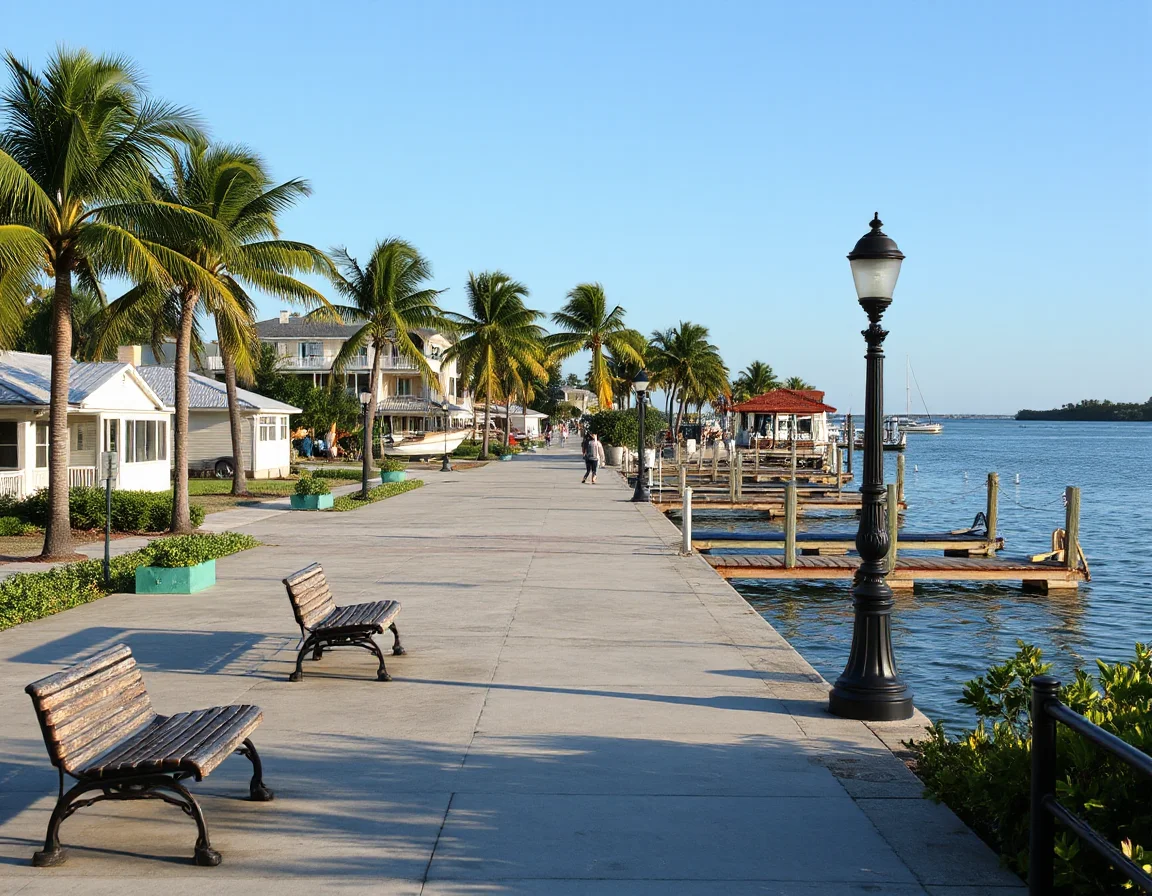
First reality check: distance and access matter more than they appear on a map. A home that seems “close enough” to marinas, grocery options, public boat ramps, or major road access may feel very different during busy weekends, weather events, or peak visitor seasons. Even a short drive can become part of your daily planning when there is essentially one main route through the Upper Keys.
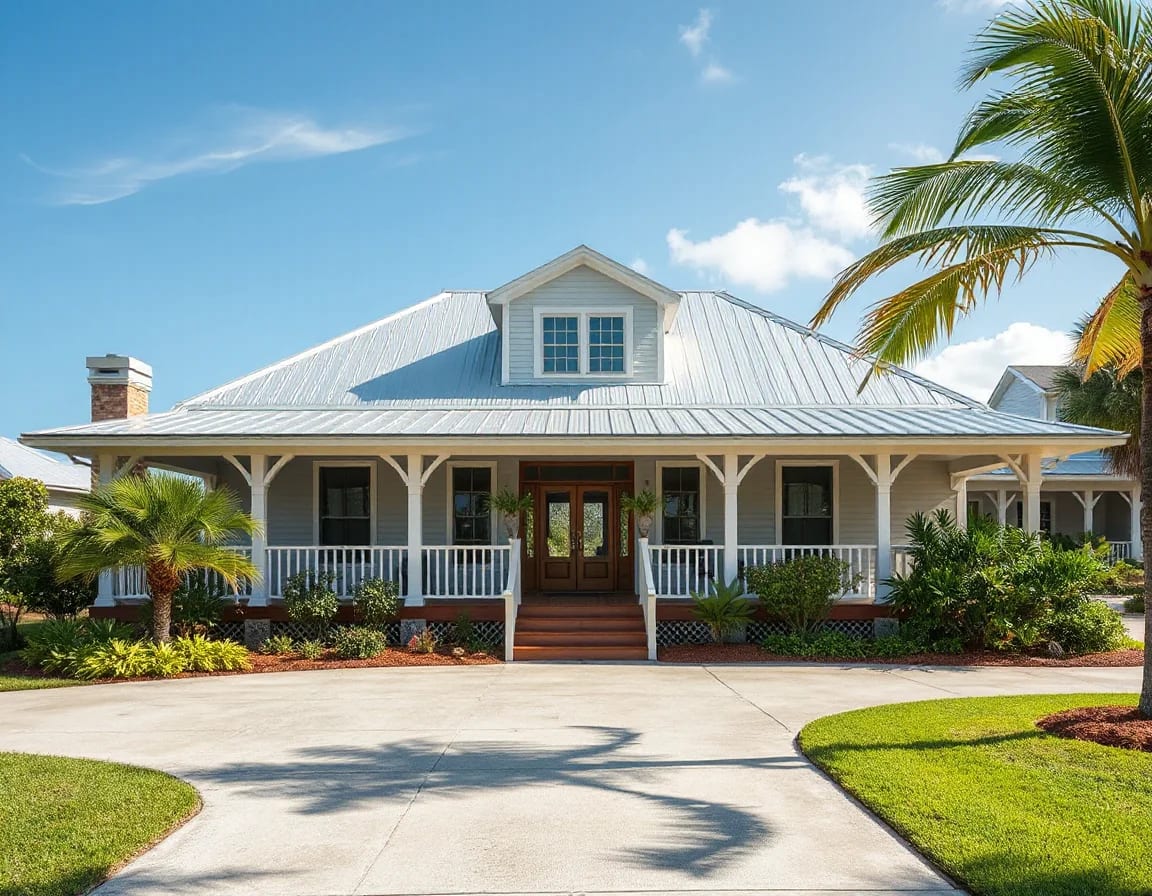
Second: not every waterfront property delivers the same boating experience. Canal depth, bridge clearance, dock condition, seawall maintenance, and direct bay or ocean access can dramatically change how useful a property is for your plans. Two homes with similar list prices may offer very different functionality once you look closely at the water access details.
A property’s view and a property’s usability are not always the same thing. In Key Largo, practical access details can carry just as much value as the setting itself.
That is why buyers benefit from reading surveys, permits, and property disclosures carefully instead of relying only on listing photos. In island markets, those documents often reveal important cost and maintenance considerations that are easy to miss at first glance.
Insurance, flood zones, and carrying costs deserve a close look
One of the biggest surprises for out-of-area buyers is the total monthly cost of ownership. Purchase price is only one piece of the equation. Depending on the property, buyers may need to account for homeowners insurance, wind coverage, flood insurance, HOA or condo fees, storm preparation expenses, and reserve funds for exterior upkeep.
Flood zone designations are especially important in coastal Florida. They do not automatically make a property a poor choice, but they do affect cost, lender requirements, and peace of mind. Elevation, foundation type, and prior improvements can influence insurance pricing, so it is worth requesting as much documentation as possible before final negotiations.
Salt air is another budget item in disguise. Metal components, HVAC systems, railings, exterior paint, and dock hardware can wear faster in a marine environment than buyers expect. The result is simple: a home that looks polished on showing day may still require a stronger maintenance plan than a similar property inland.
A lower list price can be offset quickly by higher insurance and upkeep. Comparing estimated monthly ownership costs side by side often brings the clearest picture into focus.
Know how the property can be used before you commit
Usage rules are a major part of the Key Largo buying conversation. Some buyers want a primary residence, some want a seasonal retreat, and others hope for flexibility that includes occasional rental income. Those goals can all be valid, but each property may come with different county rules, HOA restrictions, condo bylaws, licensing requirements, or occupancy standards.
Before writing an offer, confirm what the property legally allows. Ask whether short-term rentals are permitted, whether there are minimum lease terms, and whether boat or trailer storage is restricted. If the property is in a condominium or community association, review the governing documents with care. Rules about pets, docks, parking, renovations, and exterior changes can shape how well the home fits your plans.
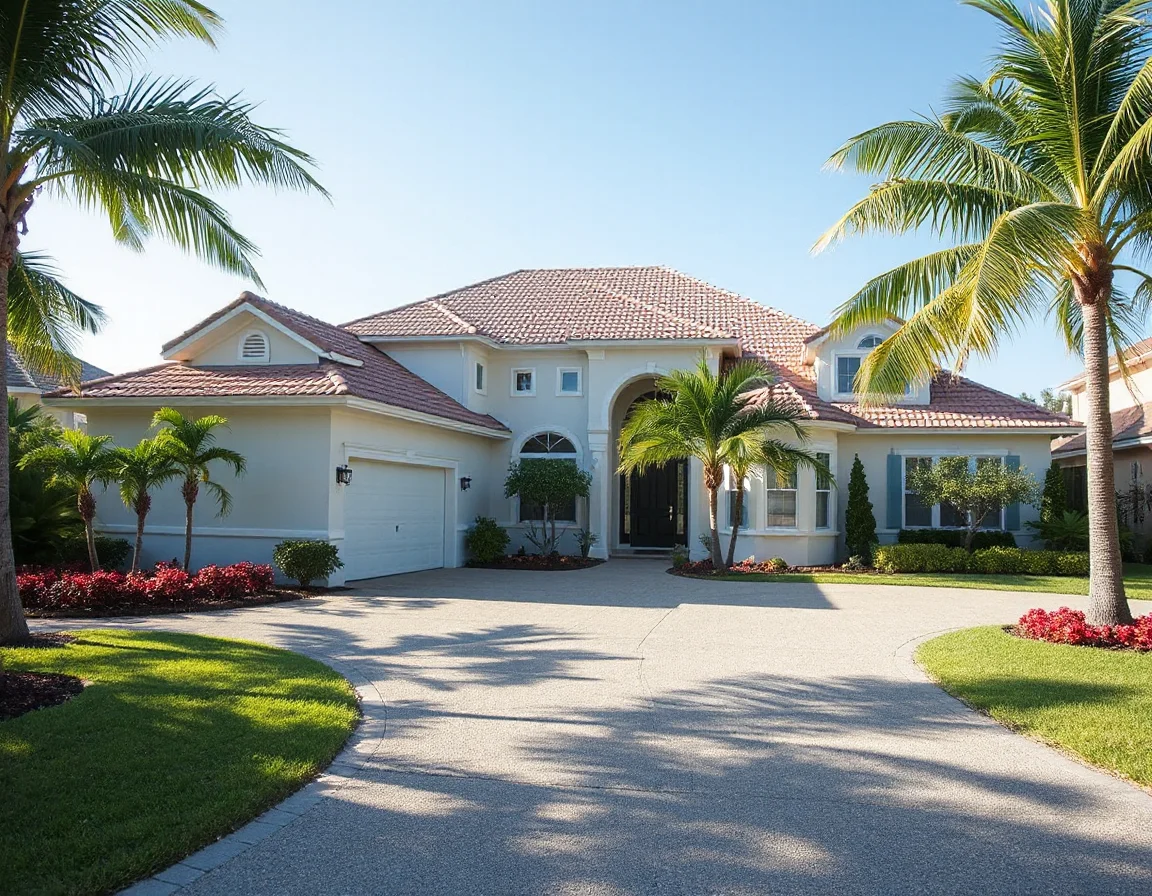
This is also the point where buyers should look beyond aesthetics and ask how the structure was built to handle the environment. Elevated homes, impact-rated windows, shutters, roof age, and drainage patterns all matter. Island-style architecture can be beautiful, but the smartest purchases combine style with resilience and maintainability.
Inspection strategy matters too. In addition to a general home inspection, buyers may want specialists to evaluate seawalls, docks, roofs, pest exposure, HVAC performance, or signs of moisture intrusion. On a coastal property, specialized inspections often provide some of the most useful negotiating leverage.
Neighborhood feel is about function, not just scenery
Every part of Key Largo offers a slightly different rhythm. Some areas are centered around boating access, some around quieter residential streets, and others around easy reach to parks, restaurants, marinas, or diving activity. The right fit depends less on broad labels and more on how you plan to use the property week after week.
Drive the area at different times of day if possible. Notice parking patterns, noise from nearby roads or water traffic, ease of entering and exiting the property, and how exposed the lot feels to wind and sun. If the home is on a canal, look at turning space for vessels and whether neighboring docks affect maneuverability. If it is not waterfront, assess how often you would realistically use nearby public access points.
It also helps to pay attention to service access. Delivery logistics, contractor availability, and repair scheduling can feel different in the Keys than in larger mainland markets. That does not make island ownership less appealing; it simply means convenience should be measured realistically as part of the purchase decision.
A smart island purchase balances emotion and evidence
There is nothing wrong with falling in love with a place. In fact, Key Largo has a way of creating exactly that reaction. The goal is not to remove the emotion from the process, but to pair it with strong due diligence so that enthusiasm leads to a sustainable decision. Buyers who understand carrying costs, insurance variables, structural considerations, water access details, and use restrictions are usually in a far better position to move confidently.
A useful checklist before closing includes reviewing elevation and flood information, confirming insurance quotes early, verifying dock and seawall conditions, understanding association rules, and budgeting for marine-environment maintenance. Add in a close look at commute patterns, access points, and long-term repair planning, and the picture becomes much more complete.
That reality check is not meant to dim the appeal of island living. It is what makes the experience more durable. When the practical side of the purchase matches the lifestyle you want, the property becomes easier to enjoy from day one and easier to hold with confidence over time.
If Key Largo is on your shortlist, taking the extra time to study how a home performs in real life can be the difference between a purchase that only looks good online and one that truly works for you once the boxes are unpacked.