
A rental property can look promising on a listing sheet and still miss the return you expected once financing, association fees, insurance, vacancies, and upkeep enter the picture. Before buying in Estero, build a practical income-and-expense model around the specific home, its rental rules, and your intended holding period. A careful review can help you compare opportunities with more confidence rather than relying on a single projected rent number.
Start With the Income You Can Realistically Collect
Rental ROI begins with income, but the most useful number is not the highest advertised rent. It is the rent a comparable property can reasonably command over time, based on its location, condition, bedroom count, amenities, lease terms, and the supply of similar rentals available when your property would be marketed. In Estero, homes, condos, townhomes, and properties within planned communities can serve different rental audiences and carry very different ownership costs.
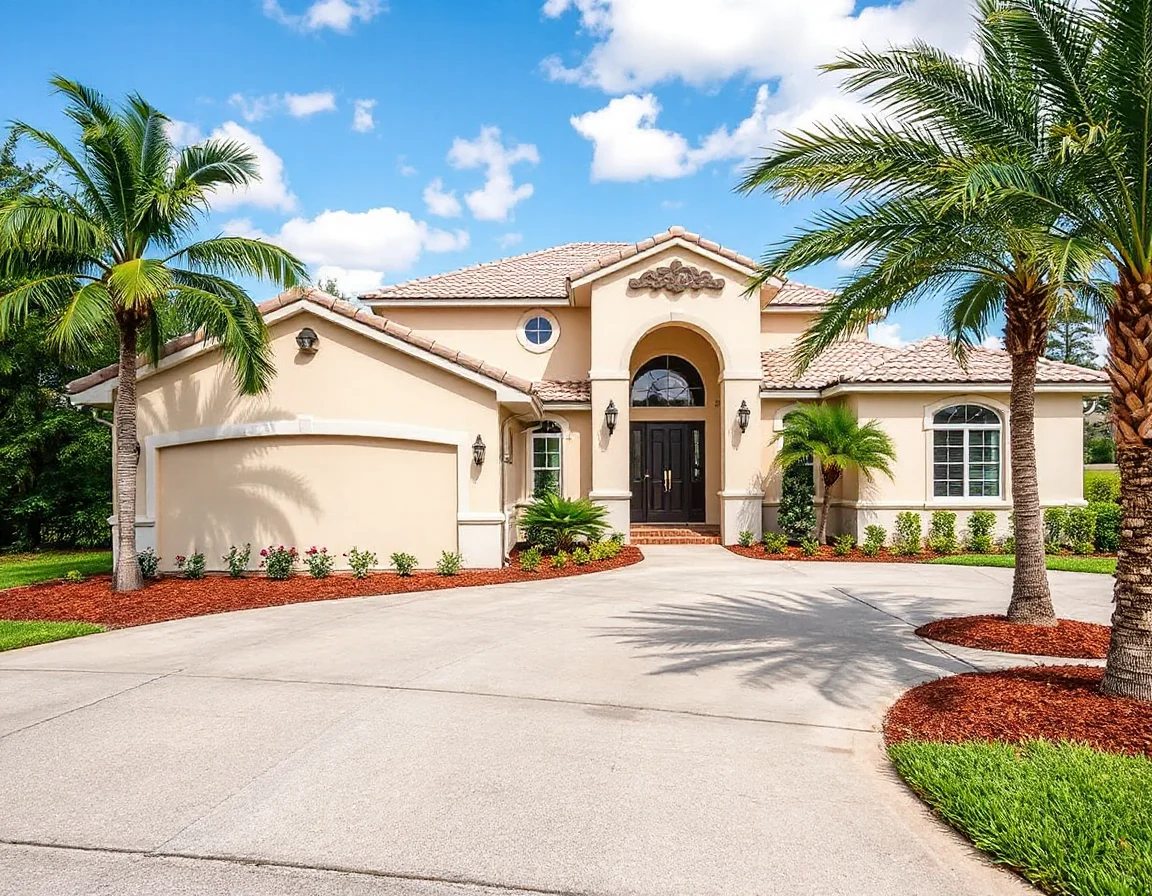
Start by reviewing recently leased properties that are genuinely comparable rather than simply nearby. A renovated residence with a garage, screened outdoor area, or access to community amenities may lease differently from an older unit with similar square footage. Furnished and unfurnished rentals should also be evaluated separately, since furnishings, utilities, turnover, and management needs can change both revenue and expenses.
Seasonality matters in Southwest Florida. A property may have stronger demand during certain months, while annual leases can provide a steadier operating model. If you are considering short-term or seasonal occupancy, confirm the applicable community rules and local requirements before using those rates in your projections. A rent estimate is most helpful when it reflects the lease structure you can actually use.
Build your model using a conservative rent estimate first, then test an optimistic scenario separately. If the investment only works at the highest possible rent, the margin may be too thin.
It is also smart to account for vacancy. Even a well-positioned rental may need time between residents for cleaning, repairs, marketing, application processing, and lease signing. Rather than assuming twelve paid months every year, set aside an allowance for turnover or vacancy. That small adjustment makes your cash-flow forecast more durable.
List Every Expense, Not Just the Mortgage
A rental’s monthly payment is important, but it is only one line in the operating budget. The full picture includes property taxes, homeowners insurance, association fees where applicable, utilities paid by the owner, lawn or pool service, pest control, repairs, reserves for larger replacements, leasing costs, and property management if you plan to use it.
Florida insurance deserves particular attention. Premiums, deductibles, wind coverage, flood considerations, and inspection requirements can vary by property and carrier. Request insurance estimates early in your due-diligence period instead of using a broad online average. The same approach applies to taxes: review the current tax bill, but remember that a purchase can affect assessed value and future tax obligations.
Condominium and homeowners associations may simplify certain maintenance responsibilities, but their fees and rules need close review. Ask for the current budget, reserve information when available, recent meeting minutes, rental restrictions, application procedures, parking requirements, pet policies, and any pending assessments. A lower purchase price does not automatically equal a lower-cost investment if the community has substantial recurring costs or limited leasing flexibility.
- Fixed costs: loan payment, taxes, insurance, association dues, and recurring service contracts.
- Variable costs: repairs, cleaning, turnover work, utilities, advertising, and management fees.
- Long-term reserves: roof, HVAC, appliances, flooring, exterior paint, and other larger future expenses.
- Transaction costs: closing costs, furnishing expenses if applicable, leasing commissions, and eventual resale expenses.
A reserve fund is not an optional extra in a rental calculation. An air-conditioning repair, appliance replacement, or unexpected association assessment can quickly alter a year’s cash flow. Including a monthly reserve contribution helps turn irregular expenses into a planned part of your ownership strategy.
Compare Cash Flow, Cap Rate, and Total Return
Different ROI measures answer different questions. Cash flow shows what may remain after rental income and expenses, including debt service. Capitalization rate, or cap rate, compares a property’s net operating income to its purchase price before financing. Cash-on-cash return compares annual pre-tax cash flow to the cash invested. Looking at all three provides more context than focusing on one percentage alone.

For example, net operating income is generally calculated by subtracting operating expenses from gross rental income before subtracting the mortgage payment. This is useful when comparing two properties with different financing plans. Cash flow, however, may be more relevant if you want to know how the investment fits into your monthly budget after principal and interest payments.
Do not overlook appreciation potential, but avoid making it the only reason an investment works. Property values can change with inventory levels, buyer demand, interest rates, community conditions, and broader economic trends. A purchase that has reasonable operating assumptions and aligns with your time horizon may be easier to hold through normal market changes than one dependent on rapid price growth.
A property with slightly lower gross rent can still produce a stronger return if its insurance, association fees, maintenance needs, and vacancy exposure are more manageable.
Run at least three scenarios: conservative, expected, and stress-tested. In the stress test, reduce rent, add vacancy, increase maintenance reserves, and use a higher insurance estimate. This does not predict the future; it shows how much room the property has when conditions are less favorable than planned.
Review Rental Rules Before You Make an Offer
Rental policies can be a deciding factor in Estero communities. Some associations require minimum lease terms, limit the number of leases per year, require approval before occupancy, or have restrictions related to tenant registration and amenities access. These details can materially affect income timing, marketing options, and the amount of administrative work required.
Request the governing documents as soon as possible and read the rental provisions instead of relying only on a listing description. If the property is a condominium, review the association’s financial condition and maintenance history as well. For any property, confirm whether there are permits, local rules, or insurance considerations associated with your intended rental approach.
It can be helpful to map the property’s practical advantages without making assumptions about future tenants. Access to major roads, nearby employment centers, beaches, outdoor recreation, grocery options, healthcare facilities, and regional destinations can all influence a rental’s appeal. The key is to connect those location features to comparable lease activity and a sustainable operating plan.
Make the Decision With a Clear Holding Plan
Before committing, decide what success looks like for the property. You may be seeking current income, a long-term asset, flexibility for future personal use, or a combination of goals. Your target holding period should shape how you weigh closing costs, furnishing decisions, financing, upgrades, and potential resale timing.
Keep your documentation organized: comparable rents, tax and insurance estimates, association documents, contractor opinions, inspection findings, and a detailed expense worksheet. A real estate professional, lender, insurance representative, property manager, tax professional, and attorney can each provide perspective within their area of expertise. Their input can help you validate assumptions before you are committed to the purchase.
Estero offers a broad mix of residential settings, from condominiums and townhomes to single-property residences in amenity-rich communities. The strongest rental opportunity is not necessarily the one with the boldest projected yield. It is the one whose income, rules, expenses, financing, and long-term purpose fit together in a plan you can confidently maintain.