

Key Largo real estate decisions are often shaped less by a single headline price and more by the relationship between available homes, property condition, insurance considerations, and timing. Whether you are preparing to buy or sell, tracking the pace of new listings and pending contracts can help turn a broad market update into a practical next step.
Reading the Key Largo Market Beyond the Asking Price
In a coastal market like Key Largo, a price tag is only the beginning of the story. Waterfront access, boating features, elevation, renovation history, lot configuration, and proximity to the Overseas Highway can all influence how a property is positioned and how buyers compare it with other options. Two homes with a similar number of bedrooms may command very different attention depending on their condition, outdoor space, dockage, views, and ongoing ownership costs.

That variation is why broad median-price headlines should be treated as a starting point rather than a final answer. A median can move because the mix of homes sold changed during a given month, not necessarily because every home gained or lost value. For example, a period with more high-end waterfront closings can lift the median even if inland properties are trading at a steadier pace. Reviewing comparable properties by location, condition, and features creates a much more useful picture.
For buyers, the most relevant question is often: what does today’s inventory offer at my preferred price range and property type? For sellers, the more productive question is: which recent listings earned attention, which sat longer, and what separated their presentation and pricing? The answers can be different from one pocket of Key Largo to the next.
A listing that looks like a close comparison on a map may not be a close comparison in practice. Dock configuration, water depth, updates, insurance history, and permitted improvements can materially affect buyer interest and value discussions.
Inventory matters because it changes the amount of choice in front of active buyers. When new listings arrive faster than homes go under contract, buyers may have more time to compare options and negotiate around condition, closing dates, or repair items. When well-positioned listings are absorbed quickly, preparation and decisiveness become more important. Neither environment removes the need for due diligence; it simply changes the pace of the conversation.
What Inventory Shifts Can Signal
A changing inventory count is not automatically good or bad news. More available homes can create welcome selection for people who have been waiting for a particular layout, water orientation, or outdoor setup. It can also encourage sellers to sharpen their launch strategy, because buyers can easily compare photography, maintenance, amenities, and price adjustments across several listings.
Pay attention to the quality of inventory, not just the total number of properties for sale. A market can technically have more listings while still offering few homes that match a buyer’s specific criteria. Likewise, a seller may face numerous competing listings, but only a handful may truly compete for the same buyer based on location, condition, and feature set.
- Track how many similar homes are newly listed, pending, and recently sold.
- Compare original list prices with current list prices to identify adjustment patterns.
- Note days on market, while remembering that relists and seasonal timing can affect the figure.
- Review disclosures, roof age, mechanical systems, and insurance-related details early.
- Look beyond photos to assess permits, seawall or dock condition, and practical access.
Seasonality can also influence the rhythm of the Key Largo market. Travel patterns, weather, holidays, and the scheduling realities of buyers from outside the area can affect showing activity at different times of year. A slower week does not necessarily signal reduced long-term demand, just as a busy weekend does not guarantee that every property will receive multiple offers. The strongest decisions come from current listing-level evidence rather than a single short-term signal.
Timing a Purchase With Clarity
Trying to predict the exact bottom of a market can keep a buyer on the sidelines longer than intended. A more practical approach is to define the property characteristics that matter most, establish a comfortable all-in budget, and be ready to evaluate suitable homes when they appear. In Key Largo, that planning should include more than the purchase price: financing terms, inspections, insurance, flood-zone considerations, marina or dock needs, and anticipated maintenance all deserve attention.
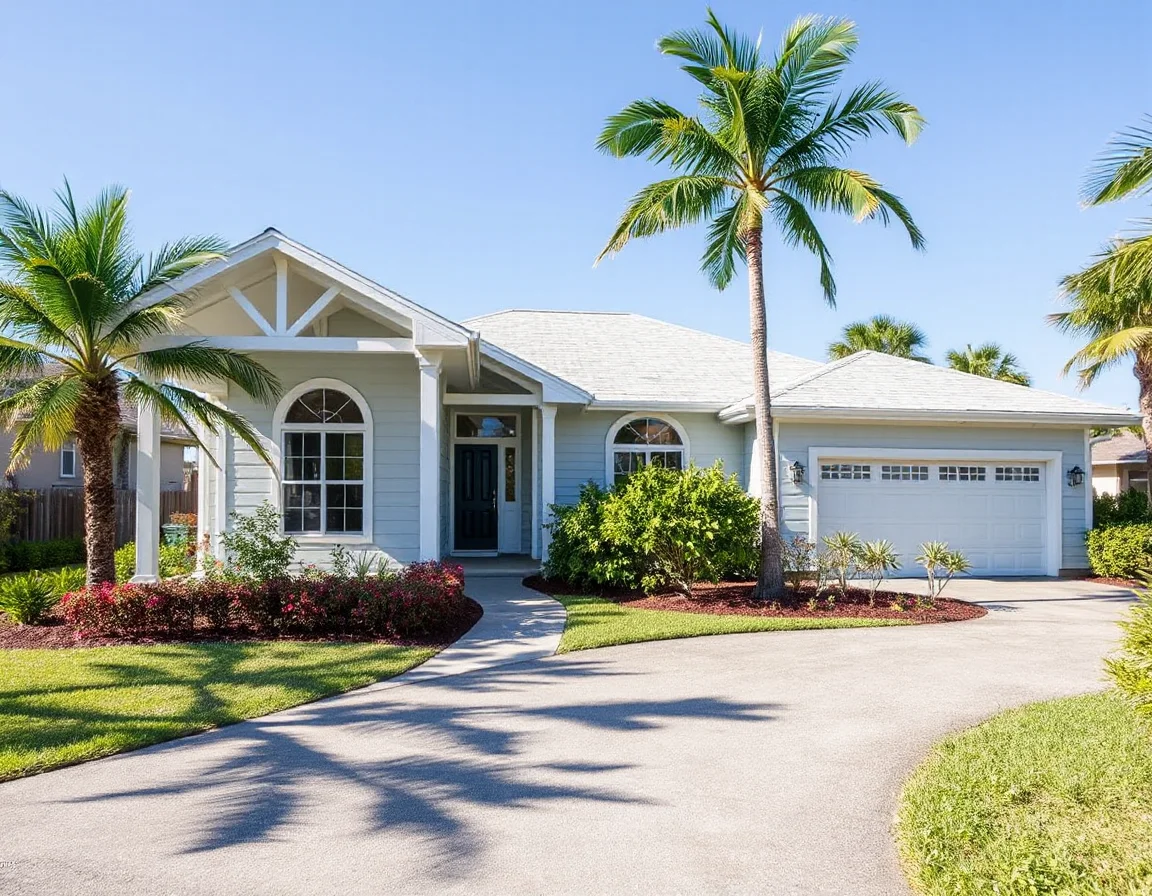
Buyers who are prepared before touring can move with more confidence once the right opportunity appears. That may mean speaking with a lender early, reviewing ownership costs with insurance professionals, and outlining nonnegotiable property features versus items that can be improved later. It also helps to consider how you plan to use the home: daily access, storage, outdoor living, boating plans, work space, and the condition of major systems can be just as important as interior finishes.
Inspection periods are especially valuable in a coastal environment. Depending on the property, buyers may wish to evaluate roofs, windows and doors, electrical systems, plumbing, seawalls, docks, lifts, drainage, and any additions or updates. The goal is not to search for a flawless home; it is to understand the property clearly and make decisions with realistic expectations.
A well-timed move is therefore less about waiting for a perfect headline and more about finding a property that meets your priorities at terms that work for your budget and schedule. When inventory expands, it may create time to compare. When a strong match is scarce, readiness can make the difference between watching an opportunity pass and submitting a thoughtful offer.
A Seller’s Window Starts Before the Listing Goes Live
Sellers can use inventory shifts as a cue to revisit positioning rather than as a reason to rush. If comparable homes are entering the market, clear presentation becomes even more important. Professional photography, accurate feature details, thoughtful preparation, and a pricing strategy grounded in current competition all help a listing make a strong first impression.
Before selecting a launch date, look at the property through the eyes of someone comparing several homes in one afternoon. Are key maintenance records organized? Are permits and improvement details easy to locate? Is the exterior ready for photos and showings? Are dock, pool, landscaping, or mechanical features presented clearly? These practical details can reduce uncertainty for buyers and support a smoother transaction.
Pricing is most effective when it reflects the home’s specific market position rather than an aspirational number based on a distant sale or a different property type. A carefully priced listing can attract meaningful early attention, while a listing that starts too far above its comparable set may need time-consuming adjustments later. The right strategy will depend on current inventory, recent pending activity, the home’s condition, and the seller’s preferred timeline.
The first weeks on market are often the clearest opportunity to reach buyers who are actively monitoring new Key Largo listings. Preparation before launch can be more valuable than a rushed debut followed by repeated changes.
Make the Market Personal to Your Next Move
Key Largo’s appeal comes from its distinctive coastal setting, access to water-based recreation, tropical landscape, and range of residential options. Those qualities also make local context essential. A meaningful market review should connect current supply and recent sales with the features that matter for your own purchase or sale, not simply repeat a regional average.
For buyers, that means watching the right segment of inventory and being prepared to investigate the details behind each listing. For sellers, it means understanding the homes competing for attention now, not just the ones that sold months ago. With a focused plan and current information, timing your move can feel less like guessing and more like making a well-supported decision.